
Great leaders know how to lead. But the best leaders? They also know how to follow.
In the workplace, in communities, and even in our faith journeys, followership is often overlooked as a critical skill. Yet research and real-world examples show that exceptional teams and organizations thrive when people know when to step up and when to step back.
Whether you are leading with vision or executing with precision, mobilizing your Strengths in the right ways can significantly improve the outcome.
I’ve worked with thousands of leaders, and those who grow the most find the sweet spot between accelerating with their leadership Strengths and switching gears to leaning on their followership Strengths.
Mastering this balance unlocks greater collaboration, innovation, and long-term success. Let’s explore what this balance looks like.
Followership and Leadership: The Science & Art of Followership
Dr. Robert Kelley, in his Harvard Business Review article In Praise of Followers, describes five types of followers: Sheep, Yes-People, Alienated, Pragmatic, and Effective Followers. The goal? To be an effective follower, one who is independent, proactive, and committed to a shared vision.
The 5 Types of Followers & Their Strengths/Weaknesses
1. Sheep (Passive Followers)
Pros: Loyal, compliant, and require little supervision.
Cons: Lack initiative, critical thinking, and innovation.
Example: Employees who only do what they are told, avoiding responsibility for broader success.
Strength Insight: Those with Adaptability may fit this category but need encouragement to step up.
2. Yes-People (Conformist Followers)
Pros: Enthusiastic, eager to please, and quick to support leadership.
Cons: Lack independent thought, blindly follow, and reinforce bad leadership decisions.
Example: Teams that rubber-stamp a CEO’s ideas without question, leading to corporate missteps.
Strength Insight: Woo and Harmony may align with this style but should pair with Analytical or Strategic for balance.
3. Alienated Followers
Pros: Highly independent thinkers who often see problems before others.
Cons: Negative, cynical, and disengaged due to past leadership failures.
Example: Employees who constantly criticize leadership but offer no solutions.
Strength Insight: Analytical and Deliberative can fall into this trap if not combined with Positivity or Activator.
4. Pragmatic Followers (Survivors)
Pros: Adaptable, politically savvy, and navigate change well.
Cons: Can be inconsistent, self-serving, and hesitant to take risks.
Example: Those who “wait and see” rather than commit fully to a vision.
Strength Insight: Restorative and Strategic may fit this style but need Belief or Futuristic for conviction.
5. Effective Followers (The Ideal)
Pros: Critical thinkers, proactive, engaged, and committed to team success.
Cons: May challenge leadership when needed, which requires a culture that supports constructive feedback.
Example: A team member who supports leadership but also provides innovative solutions and accountability.
Strength Insight: Achiever, Responsibility, and Relator often exhibit this type of followership.
The Importance of Followership Across Industries: Followership and Leadership
Followership in the Military
In the military, followership is just as critical as leadership. Research by the U.S. Army War College highlights that effective followers are mission-focused, disciplined, and able to act independently within command structures.
Example: In the Navy SEALs, every member of the team knows when to take orders and when to step into a leadership role, ensuring mission success. Poor followership can lead to disastrous outcomes, as seen in failed operations where communication breaks down.
Followership in Medicine
In healthcare, nurses, physician assistants, and medical teams must excel at followership to ensure patient safety. Studies show that ineffective followership, such as failing to question a leader’s decision, can lead to medical errors.
Example: The World Health Organization emphasizes a culture where nurses and assistants challenge questionable medical decisions. Many hospitals now train teams to practice assertive followership for patient advocacy.
Followership in Business & Team Dynamics
Followership is essential for collaboration. Google’s Project Aristotle found that the most effective teams have psychological safety, which allows followers to challenge leaders without fear.
Netflix’s culture emphasizes freedom and responsibility, but just as importantly, it thrives on candid feedback and followership. Employees are encouraged to challenge leadership openly, without fear of retribution.
For instance, Netflix’s CEO, Reed Hastings, has fostered an environment where even junior employees can push back on executive decisions if they believe there’s a better path forward.
This culture of constructive disagreement and strong followership has helped Netflix innovate rapidly and stay ahead in the streaming industry.
When Leaders Struggle with Followership: Followership and Leadership
Not all leaders make great followers. Struggles with followership often stem from ego, fear of losing control, or an inability to trust others. Leaders who cannot follow create toxic work environments where innovation and trust decline.
Example: Steve Jobs, known for his visionary leadership, initially struggled with followership, leading to his ousting from Apple. However, he learned the value of collaboration and followership during his time away, which contributed to his successful return.
Followership and Leadership + The Four Needs of Followers: A Quick Recap
As highlighted in my previous blog, Gallup’s research identifies four core needs of followers: hope, trust, compassion, and stability.
Leaders who effectively provide these elements cultivate engaged, high-performing teams.
However, these same traits are essential for exceptional followership: supporting vision with optimism, communicating with reliability, fostering strong relationships, and maintaining adaptability.
Why Followership Matters for Leaders: Followership and Leadership
1. It Builds Empathy. Great leaders understand what it takes to execute a vision.
2. It Encourages Collaboration. Leaders who can follow create a culture of trust.
3. It Strengthens Decision-Making. Leaders who listen to strong followers avoid blind spots.
Knowing When to Follow
1. Follow when the mission is bigger than you.
Joshua followed Moses until it was time to lead Israel. (Numbers 27:18-23)
Tim Cook followed Steve Jobs, absorbing wisdom before taking Apple to new heights.
2. Follow when you lack expertise.
Strengths-based teams shine when we lean into our talents while trusting others to lead where they excel.
Example: A Developer Strength knows when to listen to an Ideation Strength for innovation.
3. Follow when unity is needed.
Great teams rally behind a shared vision. Jesus modeled servant leadership by washing feet—leading through humility and followership. (John 13:12-17)
In business, Amazon’s customer obsession works because employees align behind it.
Knowing When to Lead
1. Lead when you have clarity and conviction.
Nehemiah rebuilt Jerusalem’s walls because he had a clear vision and strategy. (Nehemiah 2:11-18)
Strengths example: Command knows when decisive leadership is needed.
2. Lead when others are looking for direction.
When no one takes charge, strong followership shifts into leadership.
Think of Malala Yousafzai who started as a student and became a global leader in education advocacy.
3. Lead when change is needed.
Martin Luther King Jr. stepped up when followership alone wasn’t enough.
Strengths example: Activator and Futuristic thrive in leading change.
The Bottom Line
Whether you’re leading or following today, both roles matter. By blending followership and leadership, teams, businesses, and communities thrive.
So, the next time you ask yourself, Should I lead or follow?, lean into your CliftonStrengths, listen, and make the right call.
Strengths-Based Followership Questions:
Which of your CliftonStrengths naturally position you as a strong follower, and how can you develop them further?
When was a time you had to transition from a follower to a leader, and how did your Strengths guide that shift?
How can you use your Strengths to challenge leadership constructively while still being an effective follower?
What’s your best followership or leadership moment? Let me know in the comments below!
Want to dive deeper into Strengths-based leadership? Let’s connect!
Looking for expert Strengths coaching to help your team harness their Strengths? Why not take my two day workshop to become a Strengths Champion Certified Coach®?
Are You Ready to Lead Wiser?
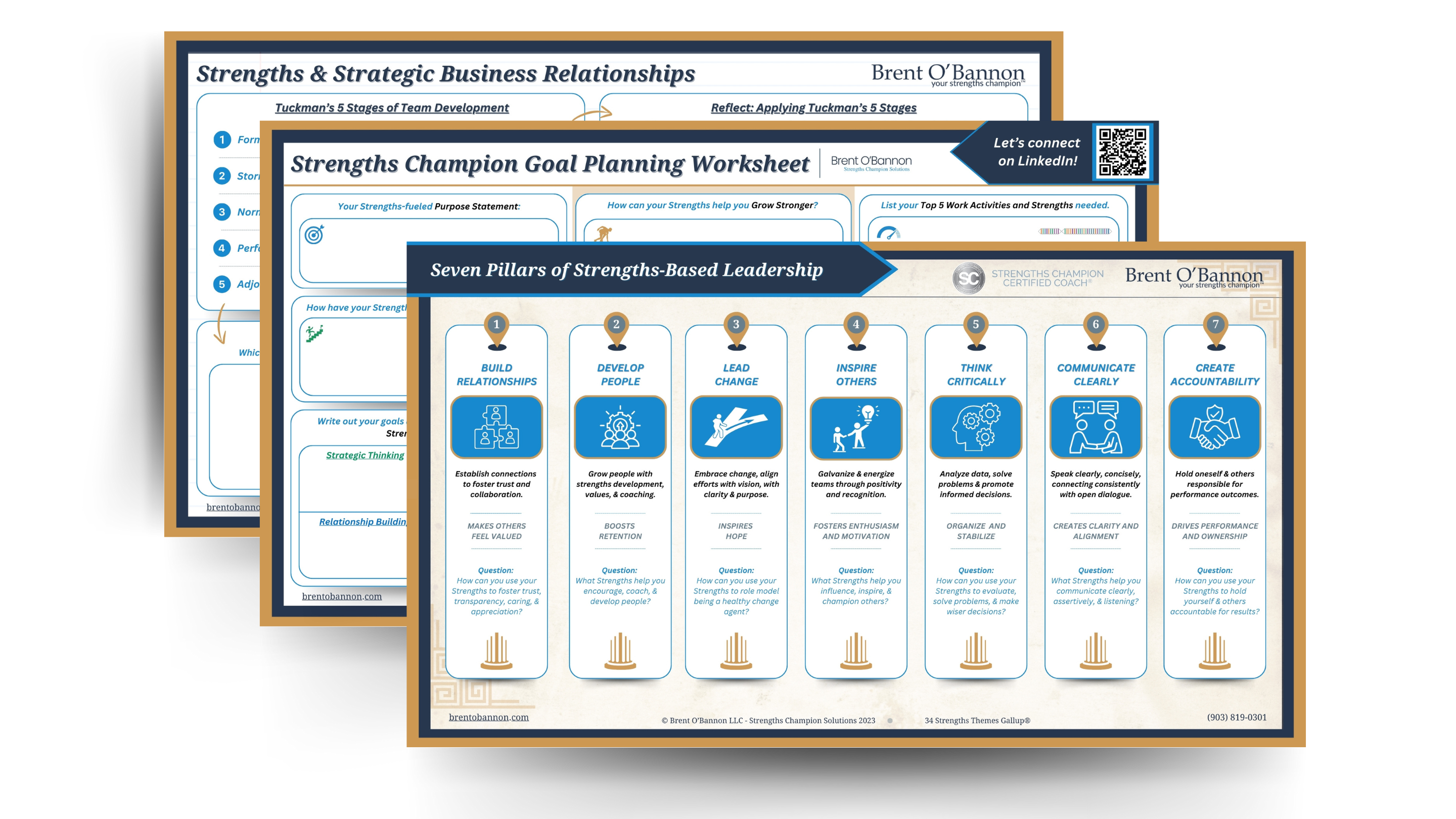
If you’re looking to expand your leadership impact and supercharge your business, explore the Lead Wiser Toolkit.
In this comprehensive resource, you’ll discover 12 insightful infographics designed to help you lead, coach, and champion a strengths-based culture in your organization.
Begin leading wiser by downloading the toolkit here.




Great article, Brent. I believe that, depending on the situation, a good leader must know when to be a servant leader or dutiful follower. People with potential need opportunities to lead, fail, learn, follow, lead, succeed, etc.
Very insightful comment Michael. There is a model called Situational Leadership that follows this situational component to how we lead. Leaders NEED to learn to be great followers until their time to step up – like Joshua was Moses assistant for many years until God raised him up at the right time. Thanks for commenting Michael.